
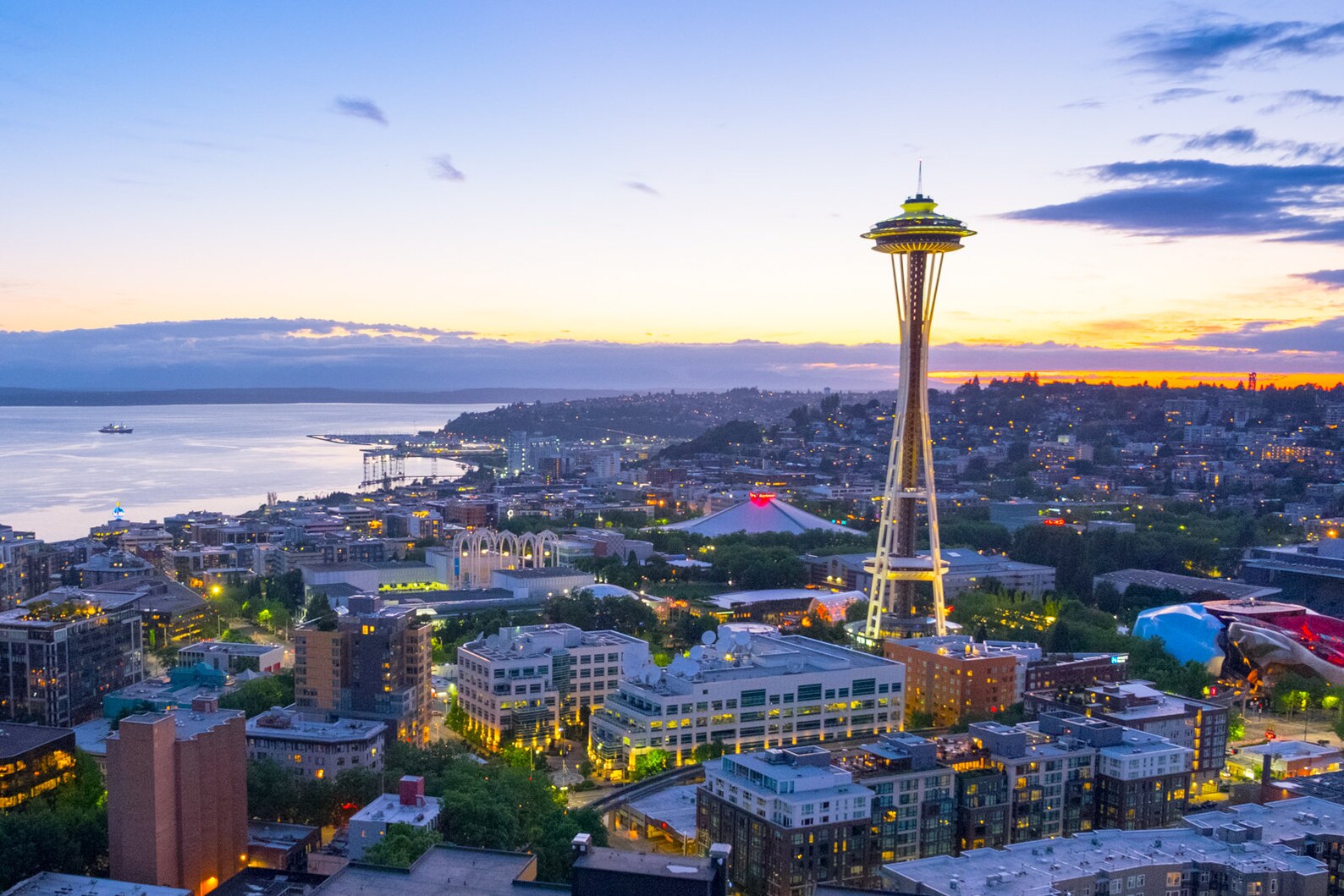
Read on to learn more about some of Seattle’s neighborhoods. Keep in mind your lifestyle and budget.
Ballard
Start with Ballard if your ideal Seattle day includes a walkable commercial core, independent restaurants, local shops, breweries, and easy access to the water. Around Market Street and Ballard Avenue, you’ll find a strong mix of dining, coffee, boutiques, and weekend wandering. For a local bite, Secret Savory is a great Thai restaurant to know, and Mox Boarding House adds a fun game store and café experience to the neighborhood.
For outdoor space, buyers often look at access to Golden Gardens, the Ballard Locks, the Burke-Gilman Trail, and Salmon Bay. Public transportation is primarily bus-based, so if you commute downtown, to South Lake Union, or to the Eastside, test the route at the times you would actually travel. Housing can range from condos and townhomes to classic single-family homes, so budget fit depends heavily on property type, parking, condition, and proximity to the main commercial core.
Capitol Hill
Capitol Hill is worth considering if you want a more urban, energetic daily rhythm with restaurants, coffee, nightlife, parks, bookstores, and light rail access close by. It is one of Seattle’s most convenient neighborhoods for buyers who want to rely less on a car. Glo’s is a longtime local favorite for brunch, and Elliott Bay Book Company is a beloved independent bookstore that adds to the neighborhood’s literary, lived-in feel.
The neighborhood also offers access to Volunteer Park, Cal Anderson Park, the Capitol Hill light rail station, and nearby downtown connections. Buyers should pay close attention to building type, HOA dues, parking, noise, outdoor space, and street-by-street feel. Capitol Hill can be a great fit if you value convenience and activity, but you’ll want to be clear on whether you prefer a quieter residential pocket or a more central location near restaurants and transit.
Queen Anne
Queen Anne is a strong contender if you want classic Seattle charm, city views, neighborhood restaurants, and quick access to Seattle Center. Upper Queen Anne has a more residential, village-like feel around Queen Anne Avenue, while Lower Queen Anne puts you closer to arts, entertainment, and downtown-adjacent amenities. Grappa is a great Mediterranean restaurant option, and Queen Anne Book Company gives the neighborhood a cozy, local bookstore presence.
Parks and points of interest include Kerry Park, Queen Anne Boulevard, Seattle Center, the Space Needle, and nearby Myrtle Edwards waterfront access. Transit is mostly bus-based, with strong connections toward downtown and South Lake Union depending on your exact location. Buyers should factor in hills, parking, older-home maintenance, lot usability, and how much they value views or proximity to the top of the hill.
Fremont
Fremont can be a great match if you want a playful, creative neighborhood with restaurants, quirky shops, public art, and easy trail access. It has a very “walk around and see what you find” quality, especially near Fremont Avenue and North 35th Street. Hannyatou is a lovely Japanese sake bar, and Portage Bay Goods is a fun gift shop known for cards, local art, and Seattle souvenirs.
For points of interest, think Fremont Troll, Gas Works Park nearby, the Fremont Sunday Market, the Burke-Gilman Trail, and the ship canal. Transit is bus-based, and commute times can vary depending on whether you are heading downtown, to Ballard, to the University District, or across Lake Union. Housing can include condos, townhomes, and single-family homes, with pricing influenced by views, parking, noise exposure, and proximity to the commercial core.
Wallingford
Wallingford is a good neighborhood to study if you want a residential feel without feeling disconnected from restaurants, parks, and central Seattle amenities. It sits near Green Lake, Fremont, the University District, and Gas Works Park, which gives buyers several directions for daily routines. Bizzarro Italian Cafe is a memorable local restaurant, and Doce Donut Co. brings Latin American-inspired brioche donuts and coffee to the neighborhood.
Transit is primarily bus-based, with access varying by exact location and route. Buyers should compare north/south and east/west commute patterns because a few blocks can change convenience. Many homes are older, so inspections, sewer scopes, system age, and maintenance history matter. Wallingford can be especially appealing if you want access to classic Seattle homes and neighborhood amenities, but still need to be disciplined about budget, parking, and renovation tolerance.
Green Lake
Green Lake is often a natural fit for buyers who want outdoor access to shape their daily life. The lake loop, surrounding park space, nearby restaurants, and local shops make it easy to imagine a routine built around walking, running, biking, coffee, and casual meals. Layers Green Lake is a great sandwich shop to know, and Gregg’s Greenlake Cycle fits the neighborhood’s active, outdoorsy rhythm.
The obvious anchor is Green Lake Park, but buyers should also consider access to Woodland Park, nearby Tangletown, and routes toward Wallingford, Phinney Ridge, and Roosevelt. Transit is bus-based, with light rail access available nearby in Roosevelt depending on where you live. Pricing can shift significantly based on proximity to the lake, parking, home condition, lot size, and whether the property has been updated.
West Seattle
West Seattle deserves a look if you want beaches, views, parks, neighborhood business districts, and a bit more separation from the city core while still being in Seattle. The Junction, Admiral, Alki, Morgan Junction, and other pockets each feel different, so buyers should compare micro-locations carefully. MOTO Pizza is a standout local food stop, and Easy Street Records is the kind of iconic storefront that gives The Junction its personality.
Parks and points of interest include Alki Beach, Lincoln Park, Schmitz Preserve Park, the West Seattle Junction, and waterfront viewpoints. Transit is primarily bus-based today, with future light rail plans still something buyers may want to monitor. Commute planning is essential here: test bridge routes, bus options, and travel times at your actual commute hours. Housing can range from condos and townhomes to larger single-family homes and view properties.
Columbia City
Columbia City is a smart option to explore if you want restaurants, local shops, light rail access, and a neighborhood center with a strong main-street feel. It offers a mix of older homes, townhomes, condos, and newer infill, so buyers should compare property type and condition closely. La Medusa is a wonderful Southern Italian restaurant, and Molly Moon’s Columbia City adds an easy ice cream stop to the neighborhood’s walkable appeal.
Transit is a major advantage here, with Link light rail access at Columbia City Station and bus connections through the area. Nearby parks and points of interest include Genesee Park, Columbia Park, Seward Park a bit farther east, and Lake Washington access depending on location. Buyers should evaluate parking, lot size, street context, proximity to light rail, and whether they prefer being closer to the commercial core or on a quieter residential street.
Beacon Hill
Beacon Hill is worth considering if transit access, views, parks, and proximity to downtown matter to your daily routine. The neighborhood has a range of housing types and topography, so the experience can vary widely depending on the specific pocket. Carnitas Michoacan is a great local option for Mexican food, and The Station is a neighborhood coffee shop and storefront that many people use as a local gathering point.
Beacon Hill has a Link light rail station, which can be a major convenience for buyers who want rail access to downtown, Capitol Hill, the airport, and other parts of the region. Parks and points of interest include Jefferson Park, Beacon Food Forest, Dr. Jose Rizal Park, and nearby access toward the International District and Mount Baker. Buyers should pay close attention to slopes, parking, views, yard usability, and whether the home’s layout works for their daily needs.
Magnolia
Magnolia is a good neighborhood to consider if you want parks, bluff views, quieter residential streets, and a sense of being tucked away while still staying within Seattle. The village area has local shops and restaurants, while other parts of Magnolia feel more residential and park-oriented. Pink Salt is a great Peruvian restaurant option, and Odette & Co Consignment brings a curated local shopping experience to the village.
Discovery Park is the major outdoor draw, along with Magnolia Boulevard, Elliott Bay views, and access toward Interbay and Ballard. Transit is mostly bus-based, and commute planning matters because Magnolia can feel more removed from other parts of the city. Buyers should evaluate views, lot size, home condition, hill access, and how often they need to travel to downtown, South Lake Union, Ballard, or the Eastside.
